Advanced technologies, skilled and experienced plastic surgeons, and affordable costs have made Iran one of the most popular destinations for hair and eyebrow transplant surgery in the past two decades. If you are searching for a reliable and cheap place to restore your hair or prevent more hair loss, this country should be on top of your list. Read the following article to get more information about the procedure, methods, and price of hair restoration in Iran.
What Is a Hair Transplant?
Hair loss is one of the everyday beauty problems that can affect people's self-confidence and cause depression and social anxiety. By 50, almost two-thirds of men gradually lose their hair. Of course, this is not just a problem for men; currently, half of the women struggle with hair loss, too. Fortunately, there are various treatments for hair loss, such as Minoxidil solution, aloe vera gel, rosemary oil, etc. However, hair planting surgery is the best and most popular treatment for hair loss. Hair planting surgery is the best and most popular treatment for hair loss.
Why Choose Iran for Hair Transplant?
With the growing number of people losing their hair due to different reasons such as COVID-19, stress, unhealthy diet, etc., the demand for hair transplant surgery in Iran has increased, and numerous international patients perform this surgery in the country. In Iran, you can benefit from the experience of skilled physicians and the facilities of advanced clinics at an affordable price. So, Iran is considered one of the best countries for hair plant surgery.
Hair Transplant Surgery Iran Shiraz
Shiraz is a historical city in the heart of Iran famous for its architecture, rich culture, and quality healthcare services. Shiraz is considered the main capital of hair transplant surgery in Iran, where numerous domestic and foreign patients get this cosmetic procedure annually. There are various hair restoration clinics in Shiraz where qualified surgeons use the latest equipment to achieve the most satisfactory results possible. You can schedule an online consultation with the Raadina Team to help find the best hair transplant clinic in Shiraz, Iran.
Hair Transplant in Iran Mashhad
Mashhad is another hub of hair transplant surgery in Iran, where the hands of artful plastic surgeons and dermatologists practice different techniques of hair restoration. Suppose you have a poor donor area or prefer modern methods that use body/facial hair to treat hair loss. In that case, Mashhad is a proper destination for you because, in the beauty centers of Mashhad, you can get different types of surgery with the highest quality.
Cost of Hair Transplant in Iran
The cost of a hair transplant in Iran depends on the strength or weakness of the hair follicles in the donor area, the size of the hairless area, the number of hair grafts planted, the fee of the specialist or dermatologist, and the clinic's facilities. On average, the cost of a hair transplant in Iran ranges from $1,000 to $2,500, between $4,000 to $16,000 in the U.S. and European countries, and $2,000 to $4,000 in India and Turkey.
Ideal Candidates for Hair Transplanting in Iran
Although hair transplanting is an effective way to get rid of baldness, it cannot be used for everyone. This method is unsuitable for people who have lost their hair due to nutritional deficiency, lack of iron, chemotherapy, and taking specialty drugs. It is worth mentioning that people whose donor areas don't have sufficient hair follicles are not ideal candidates for hair transplants in Iran.
Hair transplant surgery is generally suitable for people who have lost their hair because of heredity and genetic problems.
How to Prepare for a Hair Transplant?
Before undergoing hair transplant surgery, follow these instructions:
- Take necessary tests and medical evaluations;
- Avoid smoking for 24 to 48 hours before the operation. Smoking may affect your wound-healing process and cause bleeding;
- Avoid drinking alcohol from a week before surgery;
- Do not have a haircut before the surgery, as you will need lots of hair follicles for the transplant, and the long hair can cover your stitches after the operation;
- Massage your scalp for 15 to 30 days before the operation as it softens the scalp's skin and improves its blood flow;
- Take the prescribed medications, such as antibiotics and the ones used for treating hair loss-related problems;
- Avoid taking aspirin, anti-inflammatory medications, multivitamins/minerals, and herbal supplements two weeks before surgery.
Methods of Hair Transplant in Iran
In Iran, hair transplants are performed in several ways, the most common of which are FUT (follicular unit transplantation) and FUE (follicular unit extraction).
- 1. FUT or strip method: in this method, a thin strip of skin containing hair follicles is removed from the donor area and planted in the desired spot. The back of the scalp, which is the least likely to go bald, is generally chosen as the donor area. This surgery is done under local anesthesia and is the best option for those with crown baldness.
- 2. FUE or follicular transfer: the only difference between this method and the previous one is that in FUE, the follicle grafts are removed directly from the donor site, and the skin of the scalp is not removed. Generally, the physicians in Iran recommend this method to those who lost hair on top of their heads. Notably, this method causes minor scars and has a shorter recovery period.
Other hair transplant methods practiced in Iran include NeoGraft, SUT, FIT (follicular isolation technique), mesotherapy, etc. Depending on the severity and location of hair loss, your dermatologist will choose the best treatment.
What Should I Expect on the Day of Hair Transplant Surgery?
On the day of the hair transplant surgery, you should shower and go to the clinic with an empty stomach. Remember that you shouldn't use any hair products such as gel, wax, or hairspray on the day of the surgery.
At the clinic, you will have an appointment to re-discuss the surgery details, such as your expectations and desired hairline and the method used in the surgery. You should hand out your medical history file to your surgeon at this appointment so that they would know if you have any allergies or disorders.
Hair Transplant Recovery
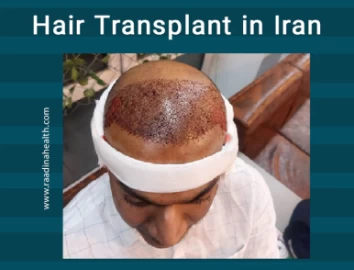
After the hair transplant, you will have pain in your scalp for more than a week, but you can return to work a couple of days after the operation. During recovery, you should probably take antibiotics to reduce the risk of infection, anti-inflammatory medications to reduce the swelling, certain drugs to improve hair regrowth and prevent future hair loss, and prescribed painkillers to minimize your discomfort.
In some cases, the transplanted hair falls two to three weeks after the surgery, which is completely normal and common. You will notice new hair growing almost three to six months after the surgery, but the full growth will take up to 18 months after the treatment.
Success Rate of Hair Transplant in Iran
The success rate of hair transplant in Iran depends on several factors, including genetic diseases, diabetes, thyroid problems, the method of hair transplant, the surgeon's skill, hair density in the donor area, hair thickness, and hair loss severity. In general, the success rate of this surgery in Iran is above %85.
Possible Complications of Hair Transplant in Iran
If a skilled and experienced doctor performs hair transplant surgery, it has inconsiderable complications that will disappear within a few days. The most acute side effects of hair transplants in Iran include the following:
- Minor bleeding;
- Infection;
- Swelling of the scalp;
- Swelling and bruising around the eyes;
- Itching in the scalp;
- Crusting in the donor area;
- Sudden and temporary hair loss in the treated area and
- An abnormal result of a hair transplant.
Choosing a reliable clinic and the best hair transplant specialist can prevent many complications.
Eyebrow Transplant in Iran
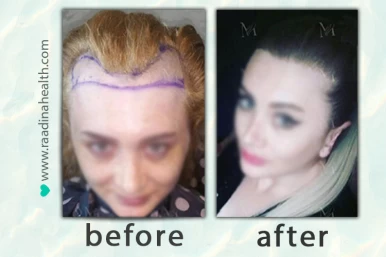
A series of factors such as genetics, skin infection, injury and burn, stress, malnutrition, and thyroid disorders may cause eyebrow loss or thinning. Based on its cause, there are multiple treatments for this problem, like taking anti-inflammatory and hormone medications, applying topical ointments, and taking PRP injections; however, the most definite treatment for this disorder is eyebrow transplant surgery. In Iran, plastic surgeons harvest hair grafts from the scalp and transfer them to your eyebrows. With this cosmetic procedure in Iran, you will have thick and proportioned eyebrows, and you won’t need makeup to fill your brows anymore. The success rate of eyebrow transplantation in Iran is around %95, and its cost ranges between $800 to $1.500, depending on how many grafts are needed to restore your brows.
I Decided to Have a Hair Transplant in Iran; What's Next?
If you have decided to undergo hair transplant surgery in Iran, follow these steps:
- Browse the internet and find a reliable hair transplant clinic.
- Contact the clinic through Whatsapp or Telegram and ask them for more info.
- Send photos from five parts of your scalp (two sides, front, back, and top) to be examined by a doctor.
- Have an online consultation session with the specialist to know how many grafts are required.
- Make an appointment to be physically examined and start the treatment procedure.
Raadina Team can help you throughout this journey by making appointments with the best clinics and specialists in Iran, booking affordable accommodations, and arranging all kinds of transportation in the country.
Hair Transplant at Raadina
Hair transplant is chosen when hair thinning or loss prevents you from having a natural and desirable appearance - but this is not the end of the road. At Raadina health, we have carefully designed this process with expertise and full transparency, so you can achieve natural, long-lasting hair with complete peace of mind. Our experienced and knowledgeable team will be with you to ensure the best results alongside professional care.
Hair Transplant Process at Raadina
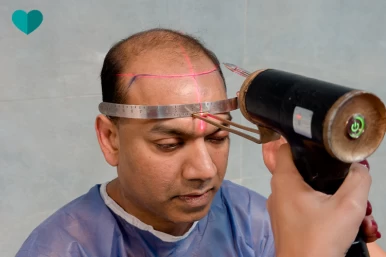
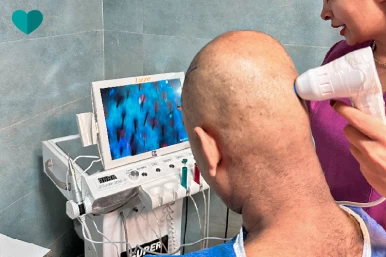
The hair transplant process at Raadina is structured so that you feel informed, confident, and calm at every step. It begins with a thorough consultation and evaluation of your hair bank, scalp condition, hair density, and overall health. Based on your needs and condition, the most suitable transplant method is selected and planned. On the day of the procedure, follicles are extracted using specialized tools and transplanted to thinning areas. After the procedure, our team guides you through the recovery period to ensure natural hair growth and scalp health.
Why Raadina? Quality, Experience, and Trusted Standards
Iran is recognized as a leading destination for beauty and hair treatment, with high-standard clinics, advanced equipment, and specialized medical teams. Raadina combines these advantages with international experience to ensure hair transplant is performed with the highest quality and precision. We believe that each person is unique, so we provide a personalized treatment plan for every patient rather than a general protocol. This precision and respect for individual characteristics form the foundation for a successful and natural result.
Real Patient Experience
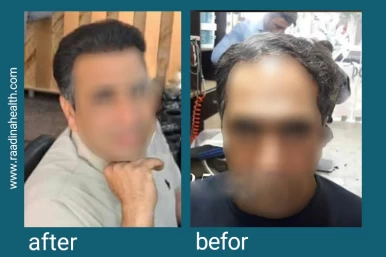
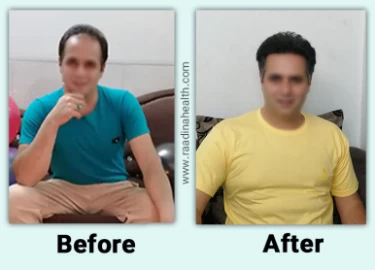
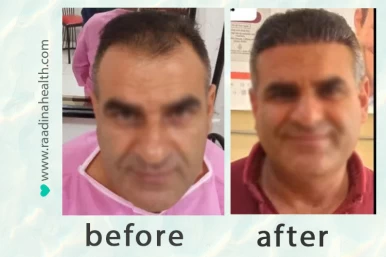
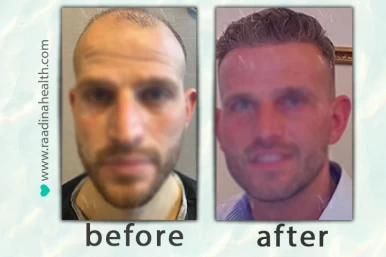
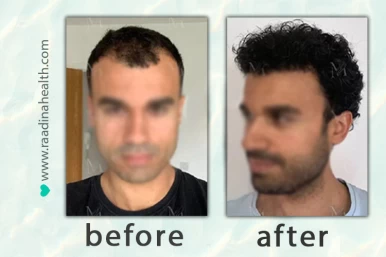
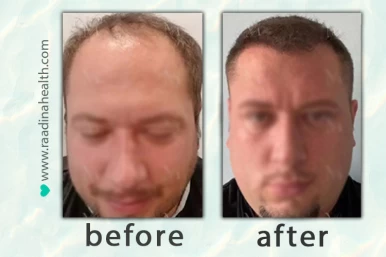
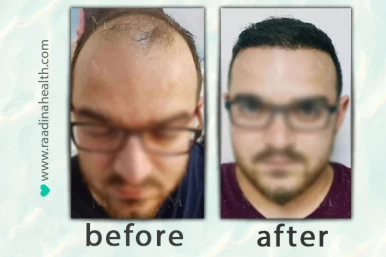
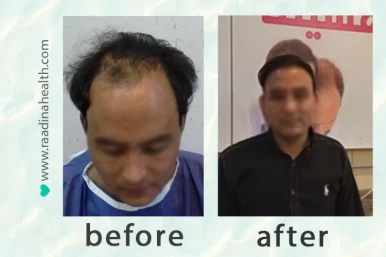
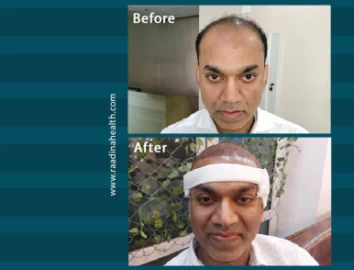
One of our patients had struggled with hair loss for years, with thinning and scattered hair affecting confidence. After the initial consultation and detailed assessment of the hair bank and scalp condition, they decided to undergo hair transplant. The Raadina team carefully managed all steps-from follicle extraction to transplantation and post-procedure care. Today, their hair has grown back naturally, their appearance is rejuvenated, and their confidence is significantly improved. They say: “I feel like I have my hair back as it was, not just for appearance, but for my confidence too.” This story reflects our commitment to quality and real results.
Special Services for Domestic and International Patients
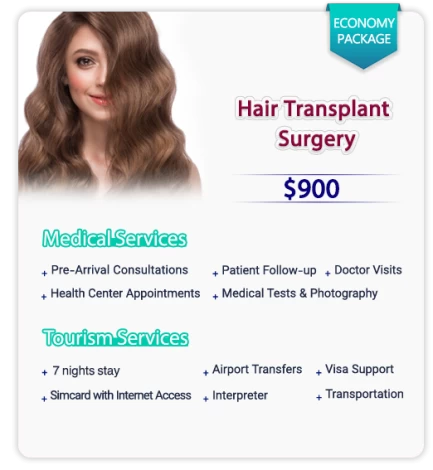
If you are coming from abroad or another city, don’t worry. Raadina provides a complete treatment package: online pre-travel consultation, accommodation near the clinic, airport transfers, an accompanying translator during treatment, and full coordination of all medical procedures. Our goal is for you to focus solely on treatment and results without any concerns about travel or logistics.
High Quality at Reasonable Cost
Hair transplant is an investment in your future, but it should not be unreasonably expensive. At Raadina, costs are transparent and fair. With a reasonable payment, you receive full services-including consultation, the procedure, post-operative care, and follow-up. Compared to many countries, Iran and Raadina provide the opportunity to achieve high-quality results at a reasonable price.
Support, Free Consultation, and Your Journey from First Contact to Final Results
The Raadina team is committed to being with you from your first contact through the procedure and even after your hair has fully grown. The initial consultation is completely free; your file is reviewed and a personalized protocol is designed according to your condition. Throughout the process, if you have any questions, concerns, or need support, our team is by your side. Our goal is not only to provide treatment but to ensure your satisfaction, peace of mind, and full confidence.
 WhatsApp
 Telegram
 Facebook
 Email
Email
FAQs on Hair Transplant Surgery in Iran
How many days after the procedure my hair grows?
Not only does your transplanted hair not grow in the first three months, but it will also fall out gradually. You can see your hair growing back almost three to six months after the procedure.
Are there any post-procedure scars?
Since the incisions on the donor area are very small, the scars are almost invisible. Also, the doctors usually hide the scars under your hair to be less apparent.
Will the implanted hair fall out again?
Usually, hair transplant surgery results are permanent, but your hair may shed two or three weeks after the surgery.
How long after hair transplant surgery should I stay in Iran?
As a hair transplant is done under local anesthesia, you can return home right after the surgery.
comments
18 comment
User
Hello, I am planning to do a hair transplant, but unfortunately, there is no proper center in my country that satisfies me. I did a lot of research and heard a lot about hair transplants in Shiraz and found out that Shiraz is the capital of hair transplants in Iran. If I want to do a hair transplant in a quality treatment center in Iran, what do I need to do?
Habib Ebrahimi
Hello,
As you mentioned, Shiraz is the main capital of hair transplant surgery in Iran, where numerous domestic and foreign patients get this cosmetic procedure annually. There are various hair restoration clinics in Shiraz where qualified surgeons use the latest equipment to achieve the most satisfactory results possible. You can schedule an online consultation with the Raadina Team to get help in finding the best hair transplant clinic in Shiraz, Iran.
Whatsapp: +989052510125
User
Hi. Hope you are doing well. My friend did his hair surgery in Iran last year. His hair is now very bushy and attractive. So I also decided to come to Iran for my hair transplant. But my problem is that my donor area is poor and I need to choose the most advanced hair treatment method. What city and clinic you recommend to me?
Habib Ebrahimi
Hello, We suggest Shiraz and Mashhad as the leading hubs of hair transplant surgery in Iran. Mashhad has highly skilled and experienced surgeons who are well-versed in the latest techniques of hair transplant, and there are quality clinics in Shiraz. If you have a poor donor area or prefer modern methods, Mashhad offers state-of-the-art medical facilities and technology, ensuring high-quality and successful procedures.
You can contact us for more information about hair transplant packages in Iran.
User
Hello, I have a male pattern baldness. My doctor told me that my hair bank is not strong enough to cover the baldness completely and a hair transplant can only improve the front area of my head a bit. I want to know if I can use somebody else’s hair for a better hair transplant. Is it possible?
Habib Ebrahimi
Hello dear friend,
Yes, it is possible to have a hair transplant using donated hair from someone else. This type of hair transplant is known as a "donor hair transplant" or "hair cloning." However, this procedure is still in the experimental stage and is not widely available. It involves taking hair follicles from a donor and replicating them to be transplanted onto the recipient's scalp.
While the concept of using donated hair for a hair transplant is promising, it is important to note that this procedure is not yet fully developed and may have limitations and risks like rejection. The reason is that the body may recognize the new hair follicles as foreign agents, and so will begin to fight with them.
User
I’ve been considering having a hair transplant. The thing is that I work out regularly and go to the gym every day. So it is very important to me not to be away from exercising for long. I want to know when I can work out after having a hair transplant. Thank you so much.
Habib Ebrahimi
Hello dear friend,
It is generally recommended to avoid strenuous physical activities like weightlifting or anything imposing stretch for at least 2-4 weeks after a hair transplant surgery. However, you should avoid combat sports and martial arts for 3 to 4 months after surgery. If you have more questions, you can contact us via Whats App.
User
I did a hair transplant last week. Most of my head scabs have already fallen off naturally. Is it OK if I remove the rest of them myself?
Habib Ebrahimi
Hello dear freiend, You must not remove the scabs from a hair transplant surgery yourself, as this can disrupt the healing process and potentially damage the newly transplanted hair follicles. It is best to follow the post-operative care instructions provided by your surgeon and allow the scabs to fall off naturally. Be patient for a few more days. There will be no scabs by the second week.
User
Hello. I am afraid my surgery has failed because along with the scabs, I'm getting hair. Is it normal?
Habib Ebrahimi
Hello dear friend, Do not worry! It is normal to experience some shedding of the newly transplanted hair in the weeks following a hair transplant surgery. This is a natural part of the healing process and does not necessarily indicate a failed transplant. The transplanted hair follicles go through a shedding phase before they start to regrow, and the presence of scabs can accompany this shedding.
User
It is about one month that I've done the surgery. I can't resist scratching my head anymore. How much more I should wait?
Habib Ebrahimi
Hello dear friend, Your head may feel itchy for three months after a hair transplant. So don't panic thinking that this is only you. You must not scratch the surgical area in the first 20 days. Otherwise, you will damage it. However, after about a month, it may be safe to touch or lightly massage the scalp gently, but it is important to be very gentle and avoid any aggressive scratching or rubbing.
User
Hi, a week passes from my hair surgery. Is it now safe to drink alcohol?
Habib Ebrahimi
Hello dear friend, It is best to avoid alcohol for at least 10 to 14 days after a hair transplant surgery, as alcohol can thin the blood and increase the risk of bleeding and swelling at the surgical site.
User
Hello. I am 24 years old. People think that I am much older than my age because of my baldness. It is bothering me too much. Is 24 a good age for a hair transplant?
Habib Ebrahimi
Hello dear friend. The best age to perform a hair transplant is between 30 and 40. Most reputable hair transplant surgeons will not perform the procedure on patients under the age of 25, as it is important to ensure that the pattern of hair loss has stabilized before undergoing a transplant. In addition, undergoing a hair transplant at a young age may lead to long-term implications like unnatural hair patterns.
Therefore, if you are under 25 years old, you can consider non-surgical methods to preserve your natural hair.